
Why So Many of the Apps on Your Phone Are Just Sitting There
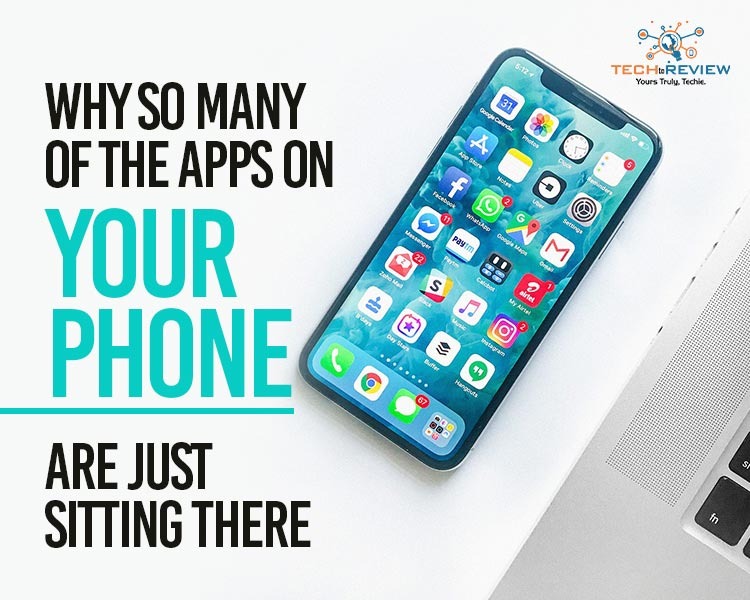
Recent industry data puts the average number of apps installed on a smartphone at over 80, and roughly 62 percent of those go completely untouched in any given month. Most of the time people actually spend on their phone concentrates in a small handful of categories, mainly social media, messaging, and entertainment, while the rest of that installed library just sits there quietly using up storage. A lot of it got downloaded for a single one-off reason, a trip, a wedding seating chart, a game a friend mentioned once, and then never opened again. A quick game of Play Solitaire in a browser tab is a small example of dodging that cycle entirely, since there is nothing to install and therefore nothing left behind to forget about.
The Install-and-Forget Cycle
App stores make installing something almost frictionless, which is part of the problem. A single tap solves the immediate itch, whether that is boredom in a queue or a specific one-time task, and the download rarely gets a second thought once the moment passes. Industry figures show close to 45 percent of app installs get uninstalled again within thirty days, and the single biggest reason people give is simply that the app never got used after that first session. The pattern repeats often enough across a phone's lifetime that the unused 62 percent almost writes itself.
None of this is really a discipline problem on the user's part. It is closer to a design incentive built into how app stores work. Developers are rewarded for install numbers, not for how long an app survives on a home screen, so the entire funnel is optimized to get that one tap rather than to earn a permanent spot on the phone. The apps that do stick around long term tend to be the ones solving something genuinely recurring, which is precisely why a one-off download so rarely makes the cut once the initial reason for getting it has passed.
Why Performance Problems Make It Worse
Non-use is not the only reason apps get deleted. A large share of uninstalls, well over half in some measurements, come down to plain technical frustration, apps that load slowly, crash, or eat noticeably more battery and storage than their function seems to justify. Users have gotten considerably less patient with this over the past few years, with a few seconds of lag now enough to trigger a deletion that a slicker app might have avoided entirely. Storage-heavy apps tend to be first against the wall once a phone starts warning about space, regardless of how useful they might occasionally be. Newer phones ship with more storage than ever, yet the warning still shows up eventually, mostly because photo libraries and a handful of heavier apps expand to fill whatever room they are given.
The Case for Bookmarking Instead of Installing
For anything used occasionally rather than daily, a browser tab quietly sidesteps this whole cycle. There is no install prompt to accept, no update to download later, no storage footprint competing with photos and actually important apps, and no awkward moment of realizing something has been sitting untouched for eight months before finally getting deleted. A simple card game is a fairly low-stakes example, but the same logic applies to plenty of tools people reach for a few times a year rather than daily. Bookmarking instead of installing will not solve every case of phone clutter, but for the tools that only earn occasional use, it quietly avoids adding to the pile in the first place. The next time a one-off need shows up, whether that is a currency converter for a trip or five minutes of something simple during a layover, it is worth checking whether a browser tab already does the job before that download counter ticks up by one more app destined to join the other 62 percent.
About author
Samsung TV Not Connecting to WiFi? Get the Easy Fixes Here
Samsung TV not connecting to WiFi? Learn why it happens, try easy step-by-step fixes, and know what to do if nothing works. Fix & get back to streaming fast.
Rangefinder Digital Cameras: Benefits and Limitations

Discover what a rangefinder in digital camera is, how its focusing works, its advantages and limitations, and why photographers love it for street photography.
Why Phone Storage Gets Full Even If You Barely Install Anything

Discover why your phone storage fills up without installing apps. Learn how cached files, photos, hidden downloads, and system data consume space.
Top 5 Entry-Level DSLR Camera Picks to Buy in 2026

Looking for a great beginner camera? Discover the top 5 entry-level DSLR cameras to buy in 2026, featuring the best budget, travel, and video choices.
Best LED Black Friday TV Deals: Your TV Shopping Guide

Discover the best LED Black Friday TV deals for 2026: when sales start, how much you can save on LED, QLED, and OLED TVs, plus tips to spot fake discounts.
Portable Bluetooth Speaker: Best Picks for Your Travel Bag

Looking for a portable Bluetooth speaker for travel? Check out 5 easy-to-carry options with different sound, battery, and durability features.